The State of Emergency Services in the NHS: An In-Depth Analysis
The NHS, a cornerstone of the UK's healthcare system, is facing
unprecedented challenges in its emergency services. As the
demand for urgent care continues to rise, the system struggles
with overcrowded emergency departments, prolonged waiting times,
and staff shortages. This blog explores the current state of
emergency services in the NHS, the underlying causes of these
issues, and how innovative solutions like FlashAid can help
alleviate some of the pressures on this vital service.
One of the most significant challenges facing the NHS is the
sheer volume of patients seeking emergency care. The demand for
these services has been steadily increasing due to a growing and
aging population, coupled with a rise in chronic conditions such
as diabetes and heart disease. This has led to overcrowded
emergency departments, where patients often face long waiting
times to see a healthcare professional.
The Royal College of Emergency Medicine (RCEM) reported that in
2023, nearly one in six patients waited over four hours to be
seen in an emergency department. The situation is even more dire
for those requiring a hospital bed, with many waiting over 12
hours for admission. This overcrowding not only puts immense
pressure on healthcare staff but also compromises the quality of
care patients receive.
Another critical issue plaguing NHS emergency services is the
chronic shortage of staff. Emergency departments are
particularly affected, with a significant gap between the number
of available staff and the growing demand for services. The NHS
is currently facing a shortfall of around 50,000 nurses, which
has a direct impact on patient care and the ability of emergency
departments to function efficiently.

The high-stress environment of emergency care also contributes
to staff burnout, leading to higher turnover rates and further
exacerbating the staffing crisis. Many healthcare
professionals are leaving the NHS due to the intense pressure,
long hours, and the emotional toll of working in such
challenging conditions.
Ambulance services, a critical component of emergency care, have
also been severely impacted. Response times have increased
significantly, with many patients waiting over an hour for an
ambulance, well beyond the target response times. These delays
can have life-threatening consequences, particularly for
patients with conditions such as strokes, heart attacks, or
severe trauma. The pressure on ambulance services is further
compounded by the issue of hospital handover delays. Ambulance
crews are often stuck waiting to transfer patients to emergency
departments, which in turn delays their ability to respond to
new emergencies.
Given the strain on NHS emergency services, there is a
growing need for innovative solutions to provide timely and
efficient care to patients. Private emergency services like
FlashAid offer an alternative for those who need urgent
medical attention but want to avoid the long waits
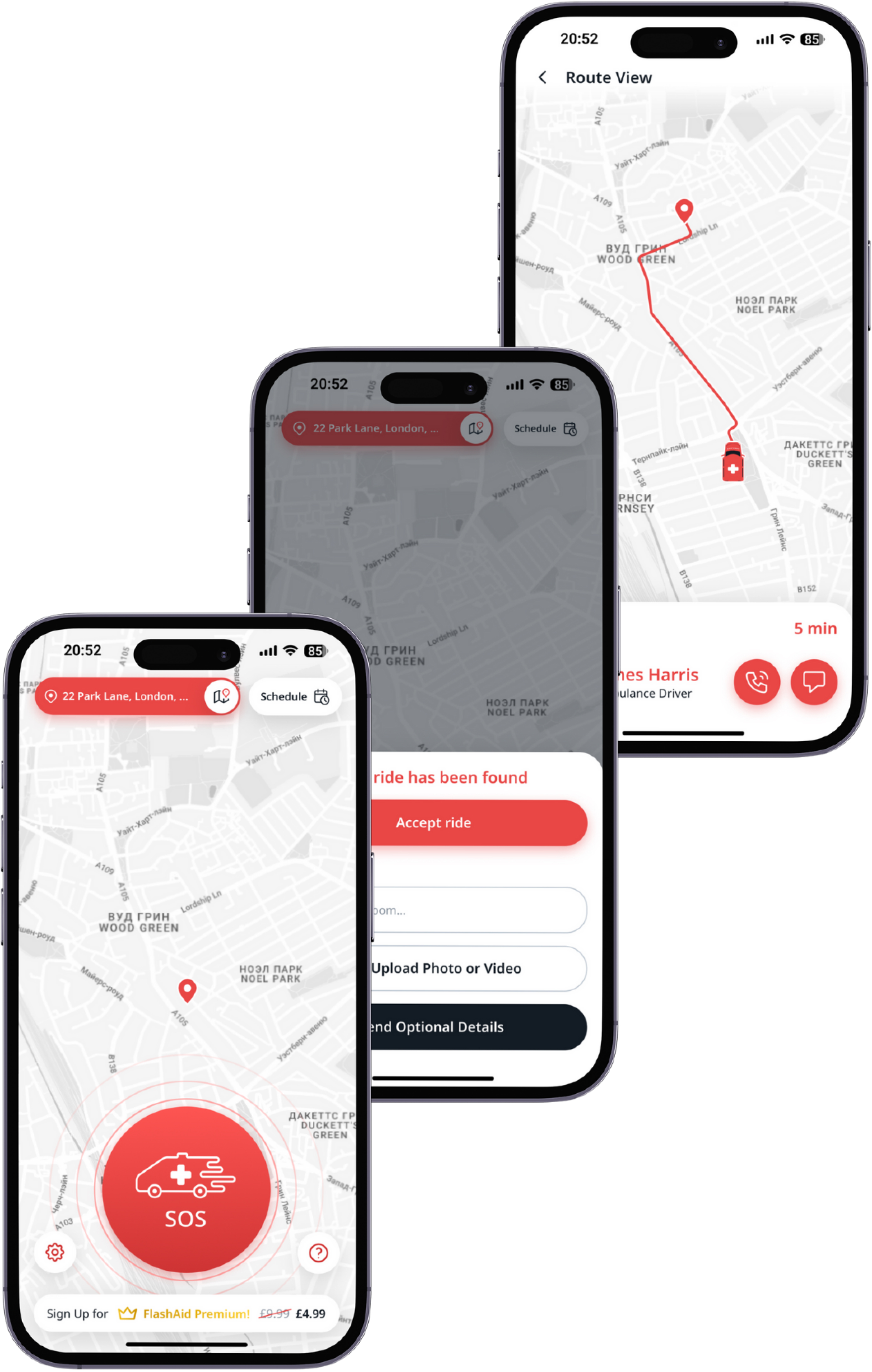
associated with NHS services. FlashAid provides a rapid
response by dispatching private ambulances directly to
patients' GPS locations within 15 minutes. This service not
only helps reduce the burden on NHS emergency services but
also offers patients a faster, more convenient way to access
urgent care. With features such as real-time ambulance
tracking, hospital routing, and flexible payment options,
FlashAid is well-positioned to meet the growing demand for
emergency services in the UK.
The challenges facing NHS emergency services are complex and
multifaceted, requiring a combination of short-term relief
and long-term systemic changes. While innovative solutions
like FlashAid can help alleviate some of the immediate
pressures, there is an urgent need for increased funding,
better resource allocation, and strategies to address staff
shortages and burnout within the NHS. By supporting both
public and private initiatives, we can work towards a more
resilient healthcare system that ensures all patients
receive the timely and quality care they deserve.