


FlashAid in Focus: Transforming Patient Outcomes Through Rapid Response
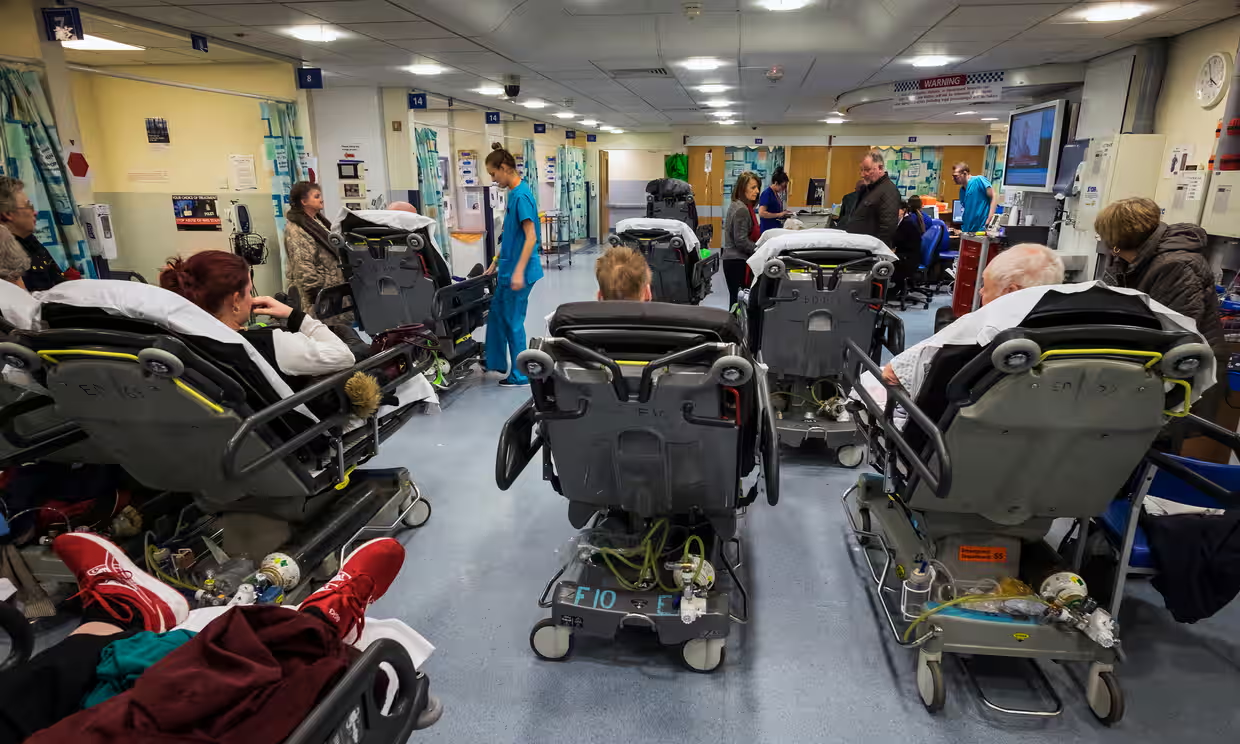
NHS wait times are at a crisis point, leaving thousands of patients stuck in A&E for hours - or sometimes even days. The UK’s emergency healthcare system is under immense pressure, with patients struggling to receive timely care. But what if technology could change that? FlashAid’s rapid response solution is stepping in to bridge the gap, ensuring faster medical attention and improved patient outcomes.
Recent data shows that delays in emergency responses are directly contributing to worsening patient outcomes, in 2022/23, only 70% of patients were admitted, discharged or transferred within four hours of arrival in A&E, falling short of the 95% target (Health Foundation). Furthermore, there are over 410,000 reported cases of patients waiting more than 12 hours on trolleys for a hospital bed, which is more than double of the last decade.
Impact of Delayed Emergency Care: Extended NHS wait times are directly linked to higher mortality rates and preventable complications. Patients stuck in overcrowded A&E departments face distress and worsening health conditions, turning what should be minor ailments into life threatening emergencies. A 2023 study from the British Medical Journal confirms that delays over 8 hours significantly increase the risk of sepsis, heart failure and other serious medical complications. Delayed emergency care also puts a strain on ambulance services, leading to longer response times for new emergencies. When A&E beds are full, paramedics are forced to wait outside hospitals, delaying care for critical patients who need urgent medical attention.
Mental Health Crisis: How does delayed emergency care affect mental health? The answer is alarming - urgent referrals for crisis support have more than doubled in the past year, leaving thousands without timely intervention. Urgent adult referrals to mental health crisis teams in the UK have increased from 1400 in April 2023 to 3063 in March 2024, meaning the UK is suffering from a mental health crisis (The Guardian). This surge shows that patients are becoming increasingly unwell while waiting for aid from the overstretched NHS, further highlighting the need for timely mental health support. Many patients suffering from mild anxiety or depression are not able to receive immediate assistance, leading to more severe mental health issues such as major depressive disorder or suicidal ideation. The lack of immediate access to crisis care also increases the burden on police and social services, as more individuals experiencing mental health breakdowns end up in the criminal justice system rather than receiving proper medical attention.
Health Inequalities: Disparities in healthcare further exacerbate the situation, as healthcare inequalities are widening in the UK. Patients from the most deprived areas are 3.5 times more likely to visit overcrowded A&E departments for mental health emergencies compared to those from affluent regions. This lack of access to early mental health intervention is worsening the crisis. Elderly patients and those suffering from mobility issues also face a greater risk, a report from Age UK highlighted that delayed emergency response times for older adults resulted in a higher incidence of falls, infections and complications from chronic conditions such as arthritis and heart disease. A lack of timely care often forces these patients into long-term hospital stays or nursing home placements, having further detrimental impact on their mental health. Furthermore, elderly patients in rural areas also face increased risk due to the digital divide. Many struggle to access online appointment booking systems, leaving them dependent on emergency care instead of early intervention. FlashAid is tackling this issue with a simple, user-friendly app designed for all age groups.
The Role of FlashAid: Timely emergency healthcare is crucial for preventing minor issues from escalating into severe or chronic conditions. By reducing NHS wait times, patient outcomes can drastically improve, leading to a healthier and more resilient healthcare system. FlashAid is revolutionising emergency healthcare by offering an innovative, AI-driven rapid response platform that connects patients with urgent medical assistance in record time. By tackling NHS wait time delays, FlashAid ensures faster treatment, reducing the risk of preventable complications and hospital admissions. With its cutting-edge technology and patient-first approach, FlashAid is setting a new standard in emergency healthcare efficiency, bridging the gap between urgent medical needs and immediate care, because in a crisis, every second counts.